
Welcome to the General Timekeeping Blog!
Explore articles covering the fundamentals, history, and fascinating details of timekeeping. This section features informative posts on how time is measured, the evolution of clocks and calendars, mechanical and scientific timekeeping concepts, and intriguing facts from across horological history. Whether you’re new to the subject or a lifelong enthusiast, these articles provide clear, engaging insights into the world of time.

How Railroads Forced the World to Standardize Time
Railroads made local solar time impractical and dangerous, forcing the adoption of standardized time zones. This article explains how railway scheduling reshaped global timekeeping and laid the foundation for modern synchronized civil time.
UTC Explained: Why It’s Not Actually a Time Zone
UTC is the global reference that keeps modern clocks synchronized, but it is not actually a time zone. This article explains what Coordinated Universal Time is, how UTC offsets define regional time, and why atomic time underpins global coordination.

Why Some Time Zones Are 30 or 45 Minutes Off Instead of a Full Hour
Not all time zones differ by a full hour. This article explains why some regions use 30 or 45 minute offsets, how fractional UTC offsets work, and why modern timekeeping is shaped by geography, politics, and practical human needs rather than pure longitude.
The Equation of Time Explained: Why the Sun Is Not Always on Time
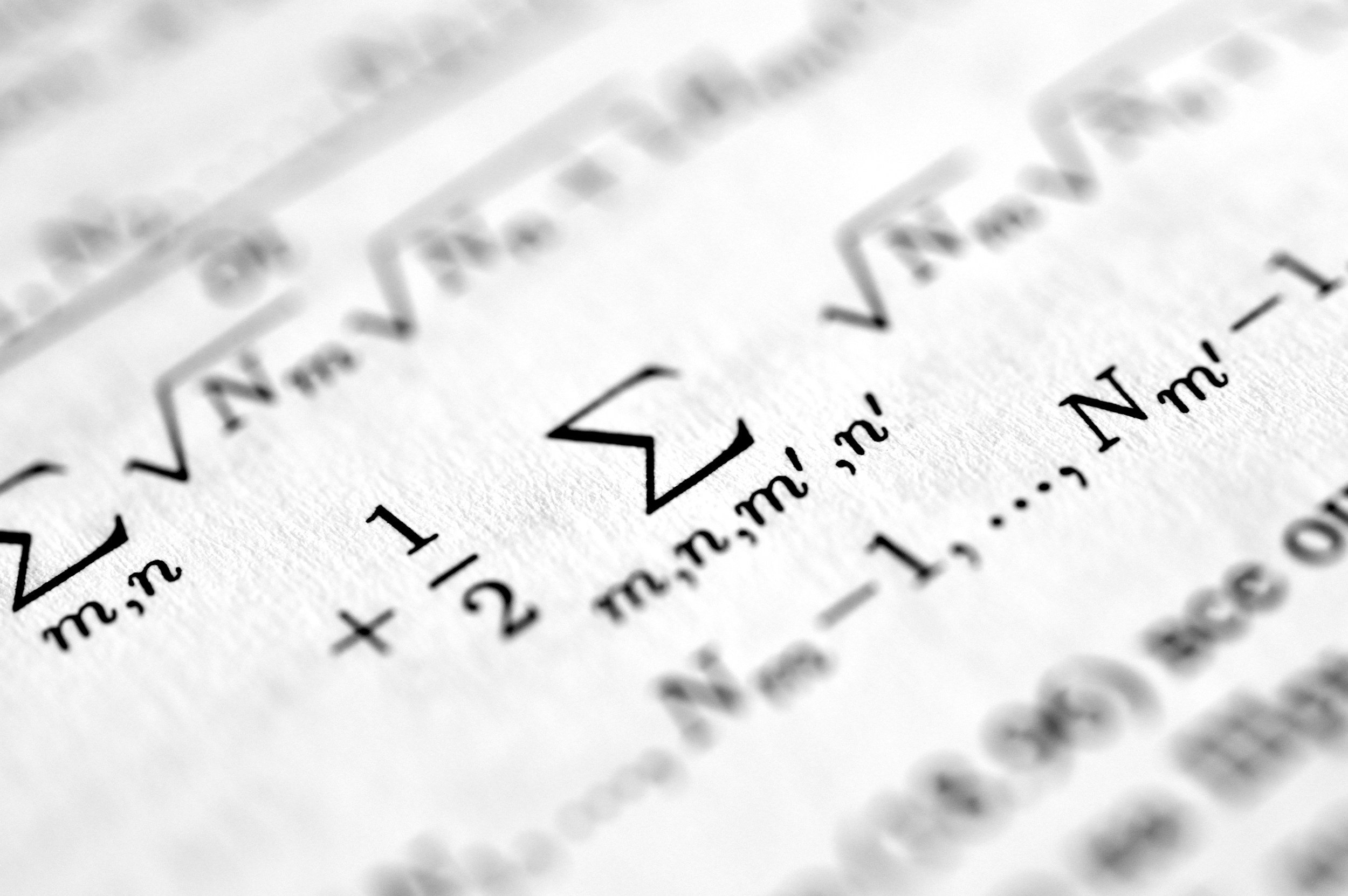
The Sun does not cross the sky at a perfectly uniform pace. This article explains the Equation of Time, why solar time differs from clock time, how Earth’s orbit and tilt affect solar noon, and why modern timekeeping relies on averaged time rather than direct observation of the Sun.

Why Earth’s Rotation Is Not a Perfect Timekeeper
Earth’s rotation defines the day, but it is not perfectly consistent. This article explains why the length of a day changes, how precision clocks revealed Earth’s irregular rotation, and why modern timekeeping relies on atomic time while still accounting for the planet’s motion.

Leap Seconds Explained: Why Atomic Time Needs Occasional Adjustment
Leap seconds exist because Earth’s rotation is not perfectly consistent. This article explains how leap seconds work, why atomic time needs occasional adjustment, and how this quiet correction keeps civil time aligned with the planet’s rotation.

Leap Years Explained: Why We Add an Extra Day and How Calendars Stay Aligned
Leap years exist because Earth’s orbit does not fit neatly into a 365-day calendar. This article explains why an extra day is added, how leap years work in the Gregorian calendar, and why this correction keeps dates aligned with the seasons.

Daylight Saving Time Explained: Why It Exists, How It Works, and Why It’s Controversial
Daylight Saving Time was created to shift daylight into the evening by adjusting civil time, not the Sun. This article explains why the clock changes exist, how Daylight Saving Time works within time zones, and why the practice remains controversial in the modern world.
Time Zones Explained: How They Work and Why They Exist
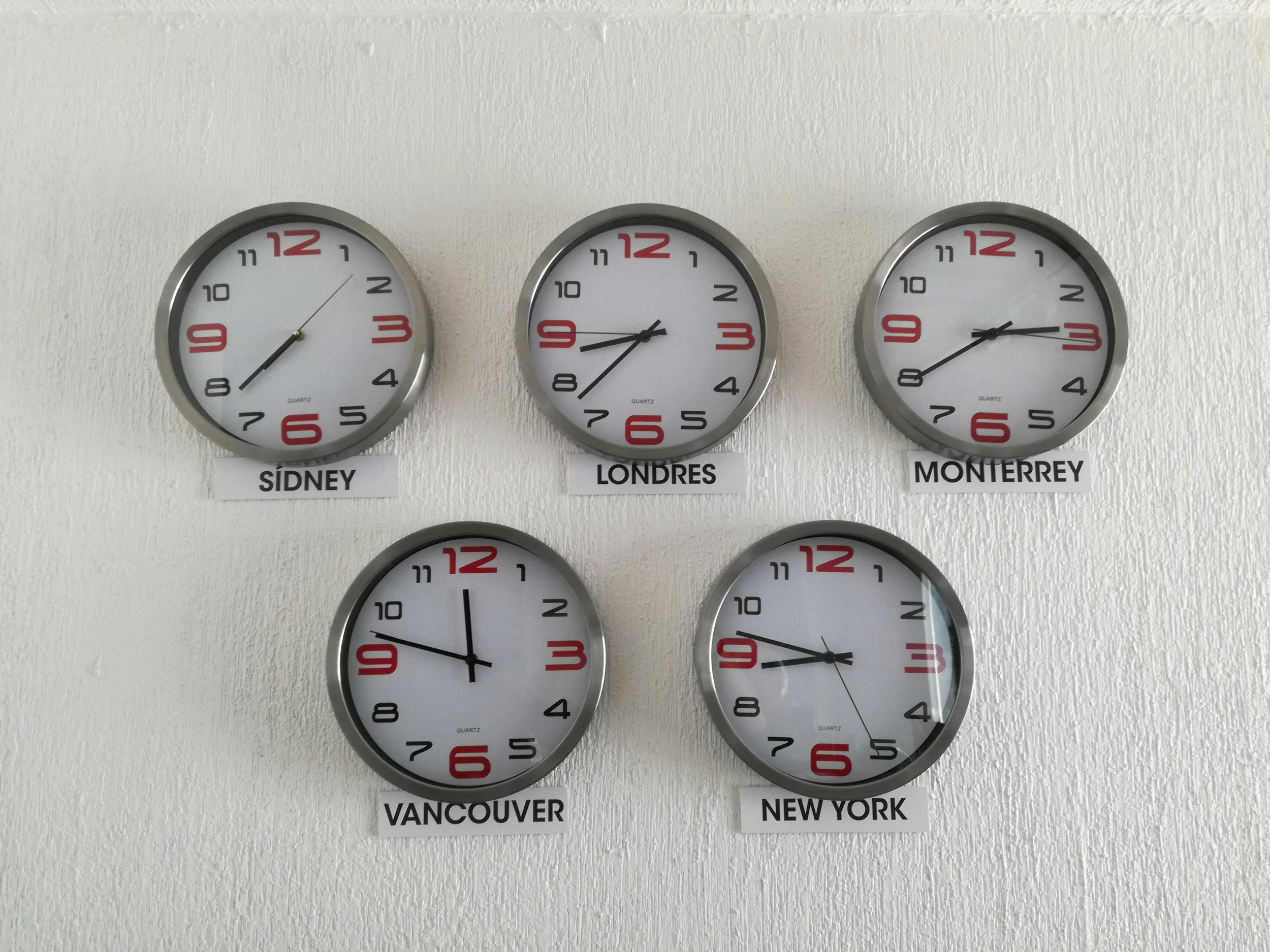
Time zones were created to solve a problem caused by Earth’s rotation and the need for global coordination. This article explains how time zones work, why they exist, how standard time replaced local solar time, and why modern society still depends on a carefully structured system of shared time.
Common Clock Problems and Their Simple Fixes
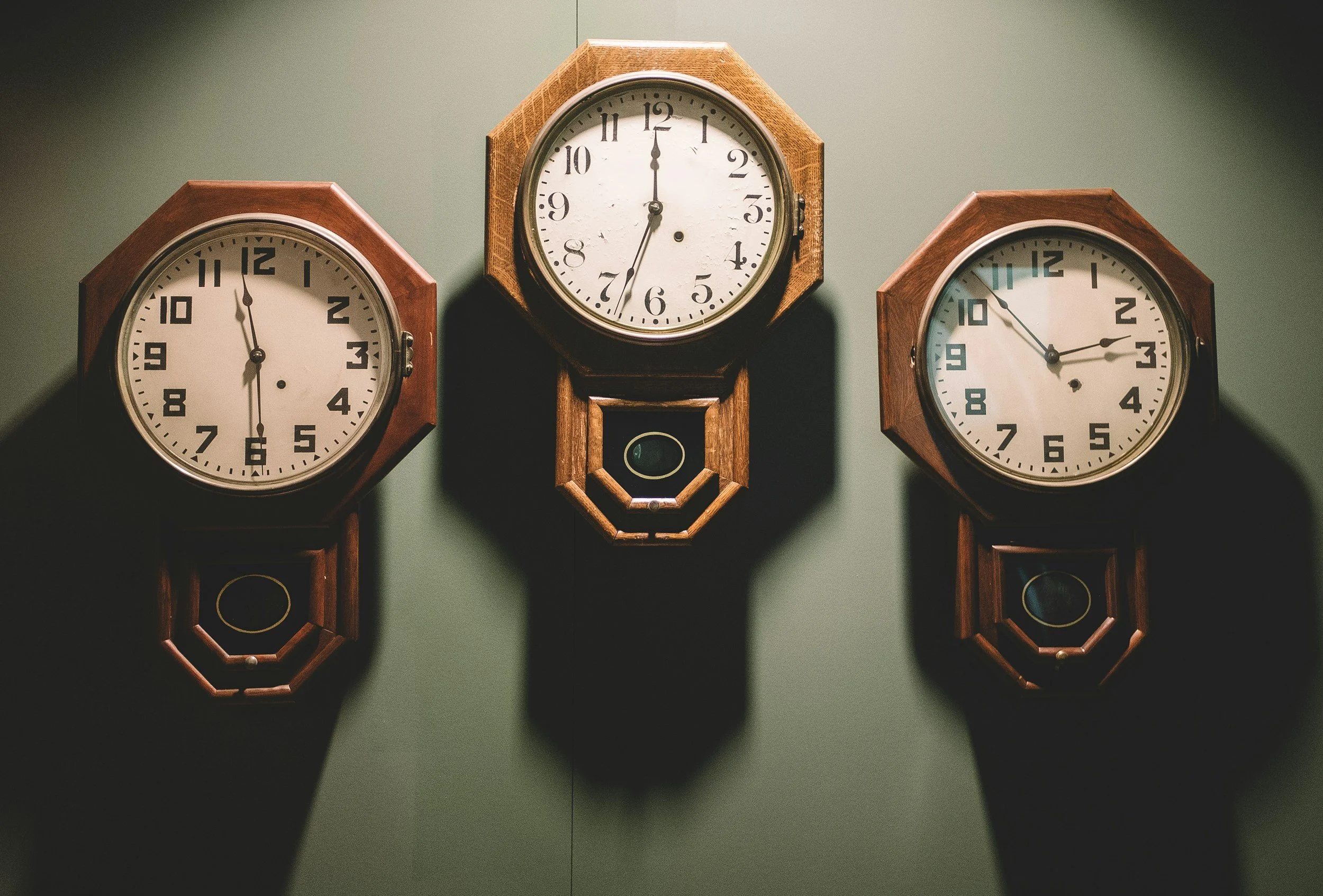
Many common clock problems—like stopping, time drift, chime errors, or weak pendulum swing—can be fixed at home with simple adjustments. This guide explains quick, safe solutions and helps you know when professional clock repair is needed.
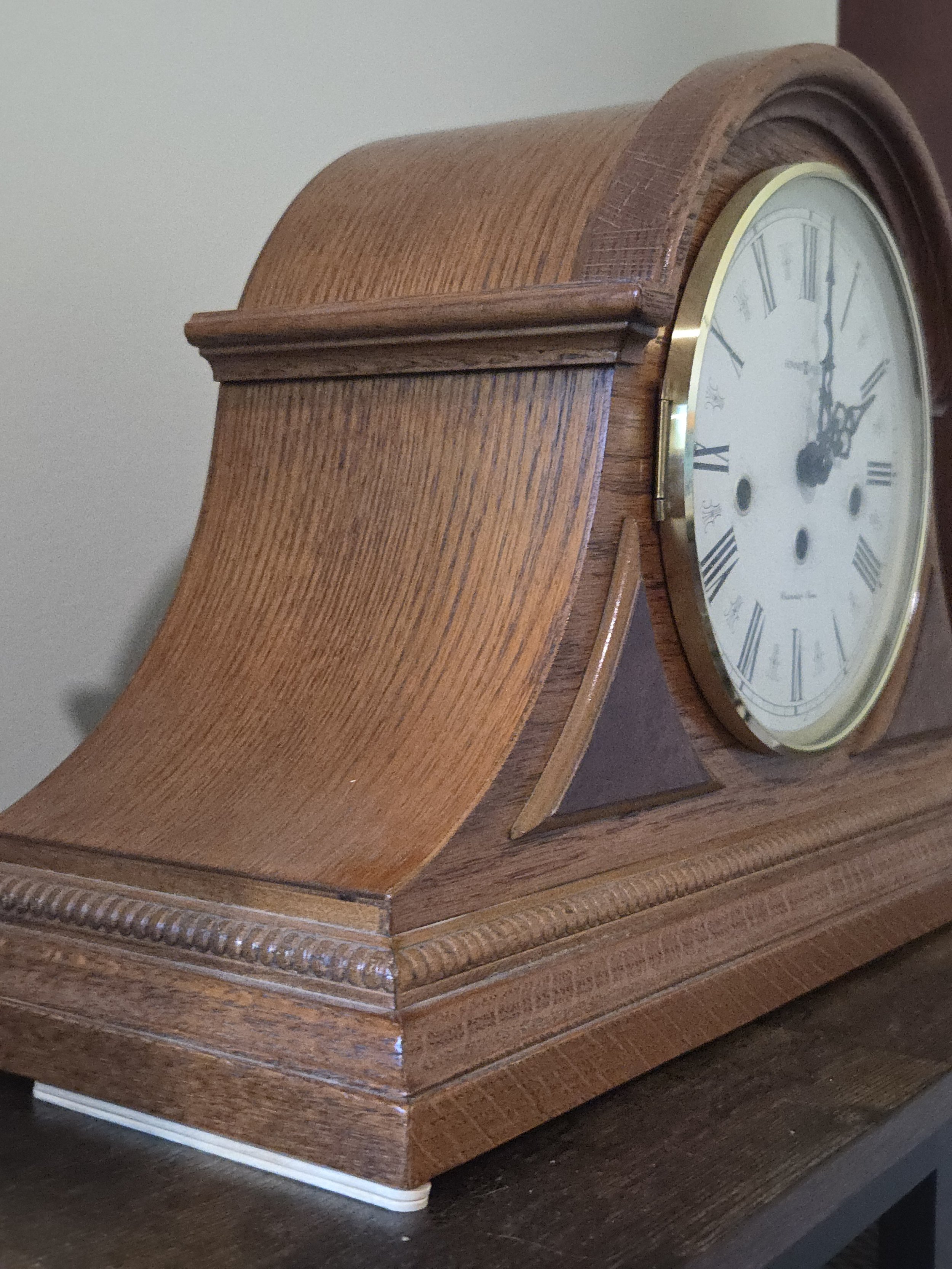
How to Level a Mantel Clock for Accurate Timekeeping
A mantel clock must be properly level to stay in beat and keep accurate time. This guide explains why leveling matters and shows how to use simple tools and careful listening to correct uneven ticking, stopping issues, and time drift.
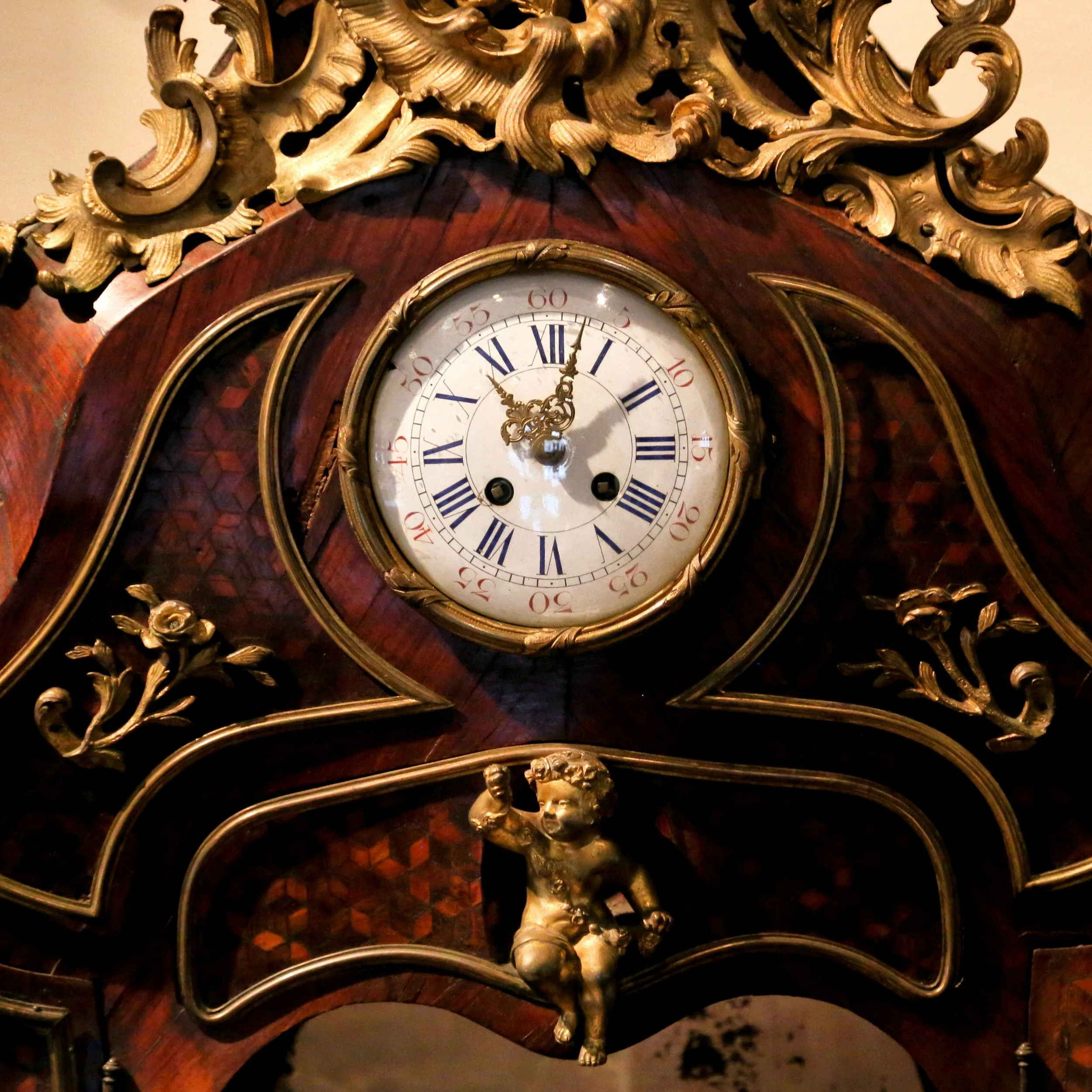
Why Clocks Drift Out of Time and What You Can Do About It
Clocks drift out of time for many reasons, from temperature changes and worn pivots to dirty movements and aging quartz components. This guide explains the most common causes of time drift and shows how to correct accuracy issues before they require major repair.
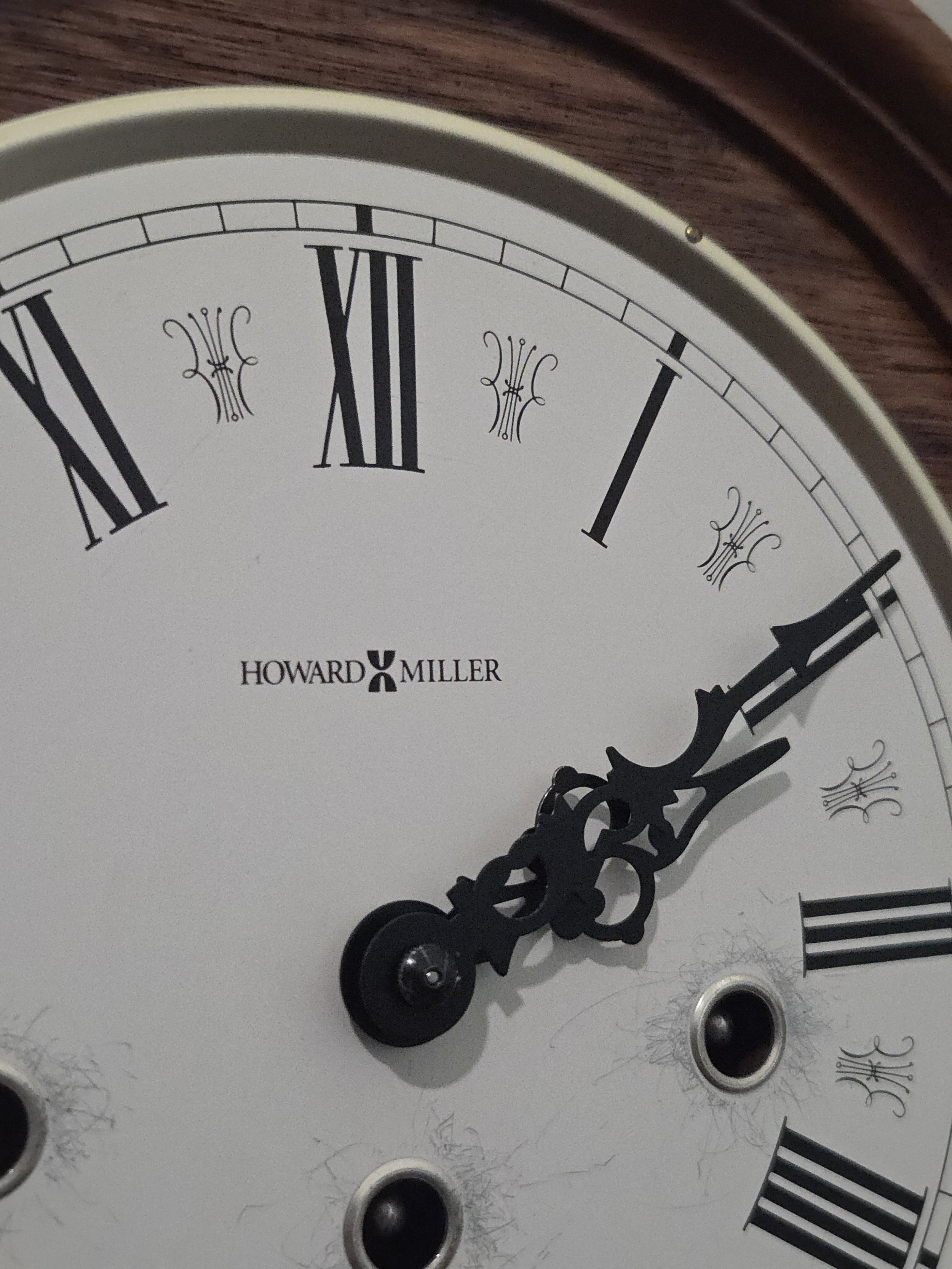
The Most Reliable Clock Brands for Long-Term Use
Some clock brands are built to last for decades, not just years. This guide highlights the most reliable clock manufacturers known for durable movements, consistent accuracy, and long-term serviceability—helping you choose a dependable wall, mantel, or grandfather clock.
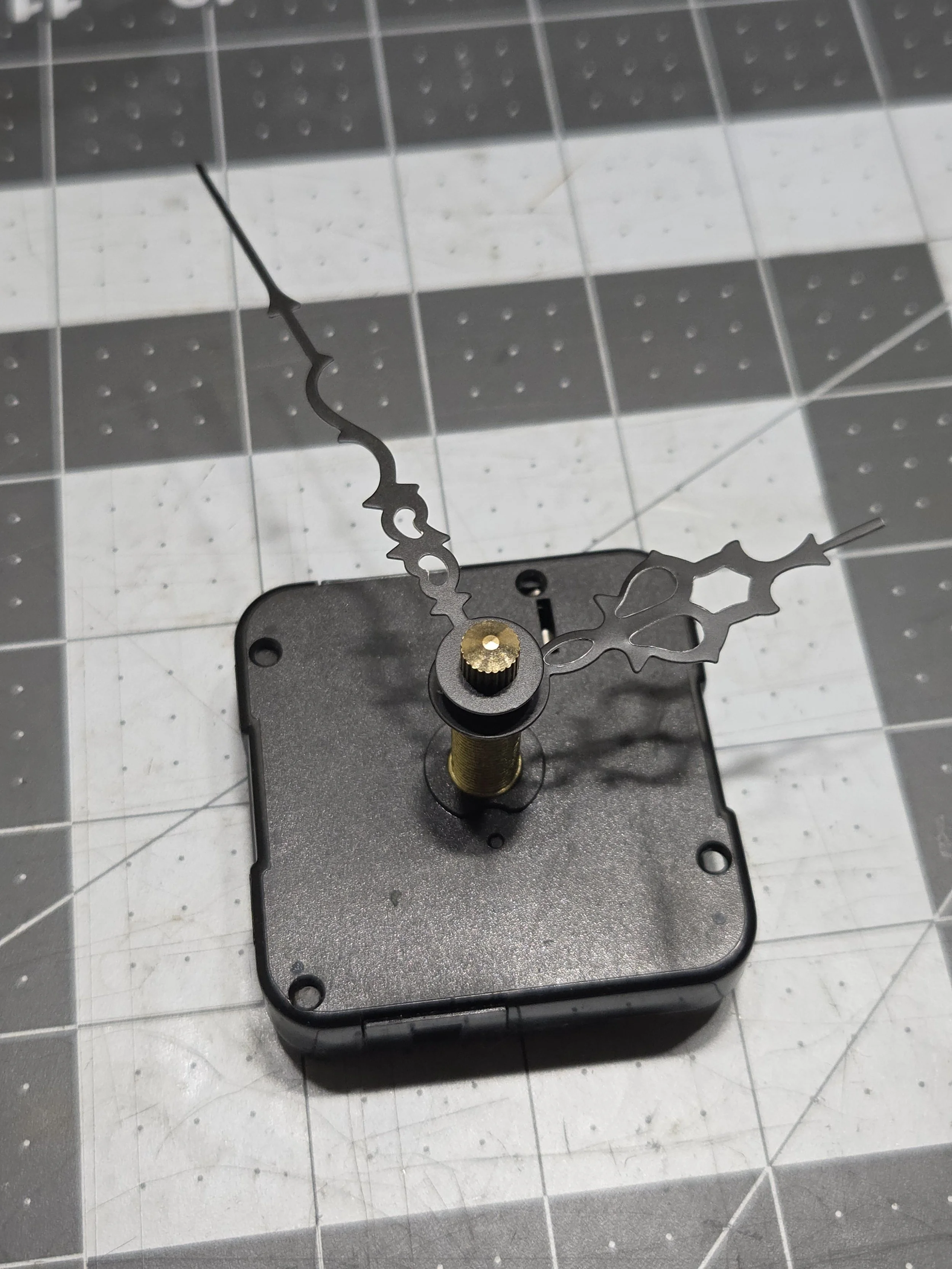
How to Replace a Quartz Clock Movement (DIY Guide)
Replacing a quartz clock movement is an easy, affordable DIY repair for clocks that stop, stutter, or lose time. This guide walks through hand removal, movement installation, alignment, and testing—plus when professional installation is the better choice.
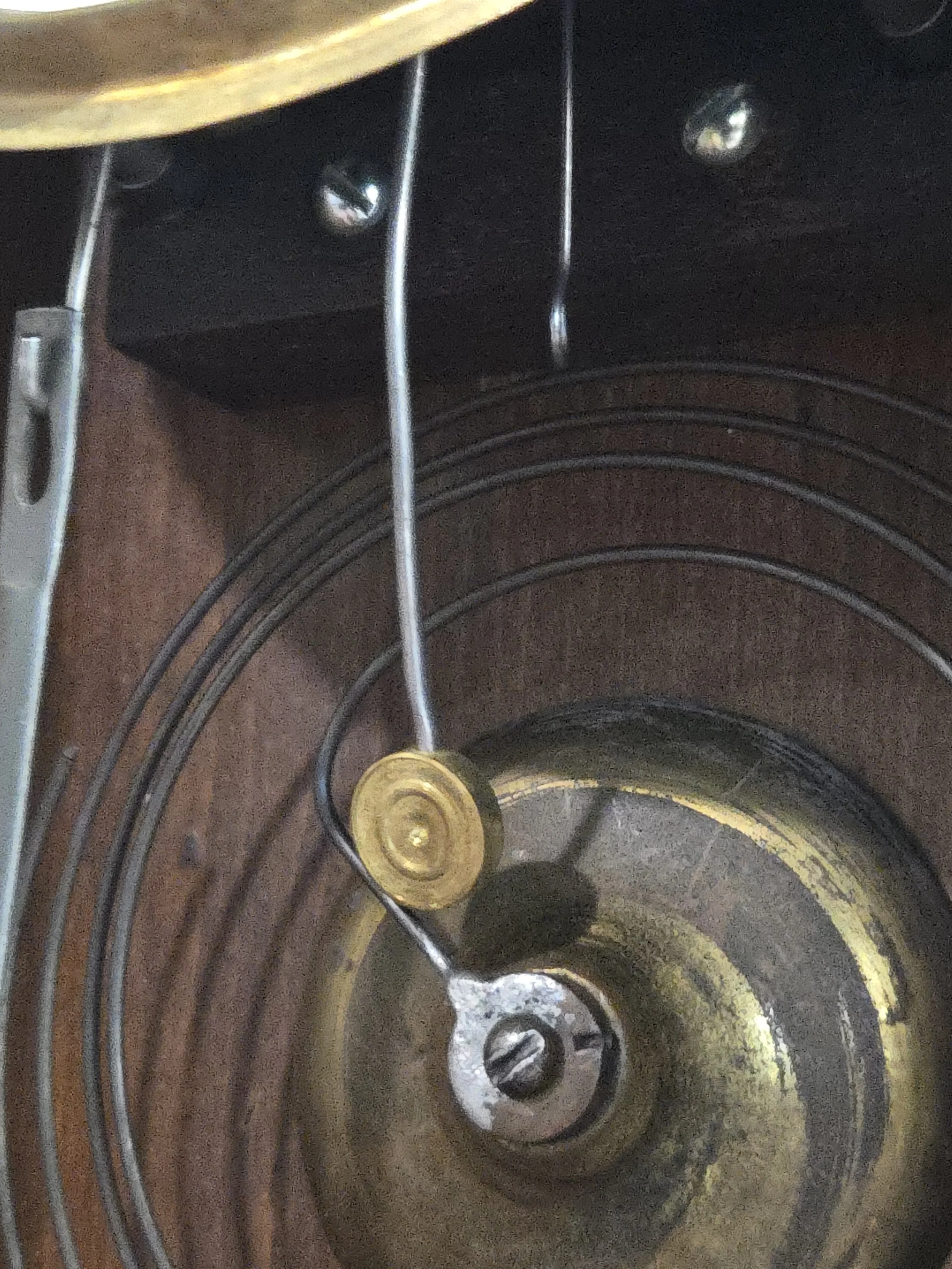
Why Your Clock Strikes the Wrong Hour (And How to Fix It)
If your clock strikes the wrong hour, the hands and strike train are usually out of sync—not broken. This guide explains why hour-strike errors happen and provides safe, step-by-step instructions to realign the hour hand and restore proper striking.
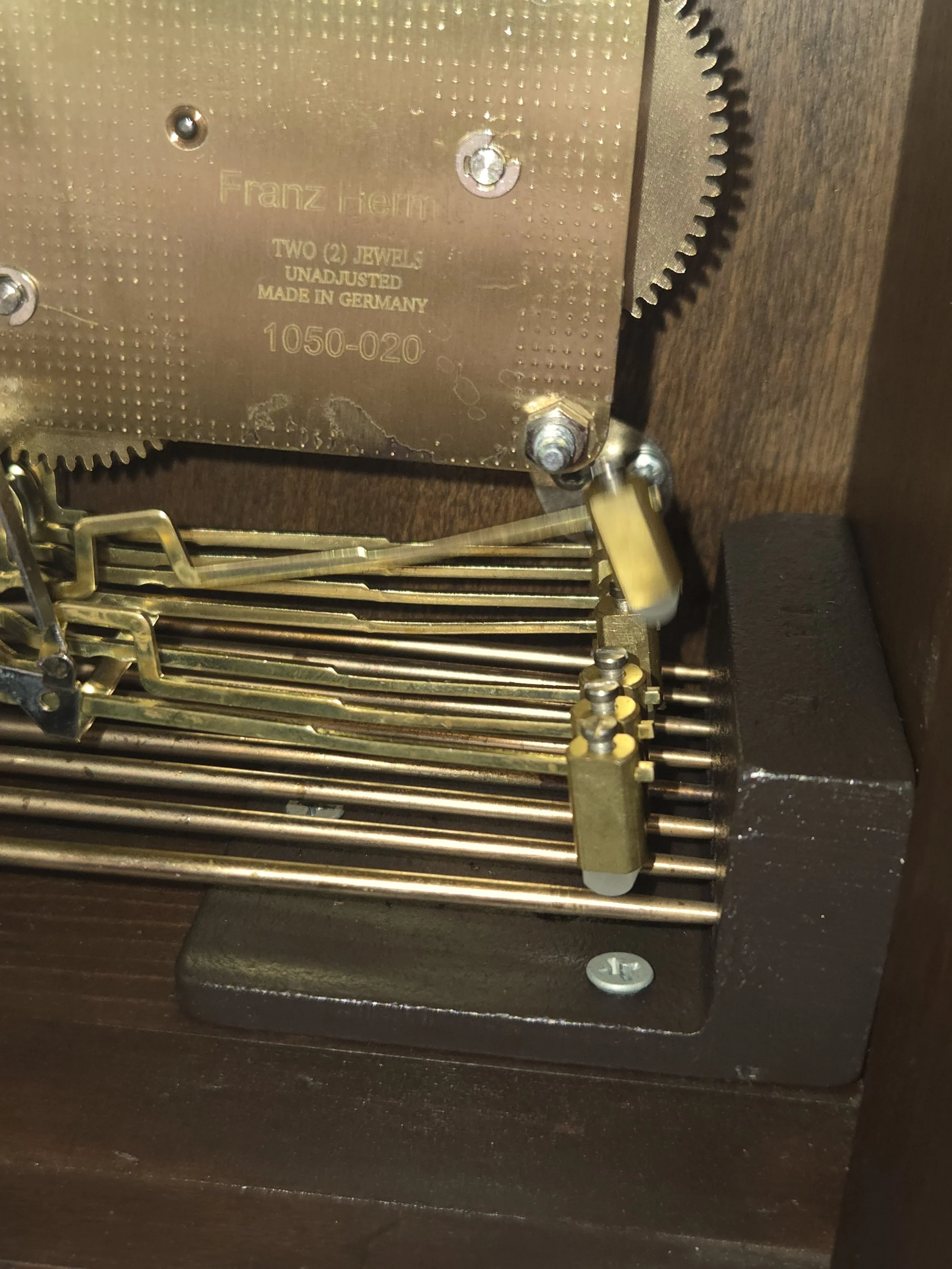
How to Adjust a Clock That Chimes at the Wrong Time
A clock that chimes at the wrong time is usually out of sync—not broken. This guide explains why chime timing issues occur and provides safe, step-by-step instructions to correct early, late, or incorrect strikes on mechanical clocks.

Best Wall Clocks for Accuracy in 2025
Looking for the most accurate wall clock in 2025? This guide compares atomic radio-controlled clocks, high-precision quartz models, smart Wi-Fi clocks, and commercial synchronized systems to help you choose the best option for reliable, modern timekeeping.

Where to Get Antique Clocks Repaired in Georgia
Antique clocks require specialized care to preserve their mechanical integrity and historical value. This guide explains how to recognize when service is needed, what makes antique clock repair unique, and why Calhoun, GA residents can trust local expertise to restore heirloom clocks properly.

Mechanical vs. Quartz Clocks: Pros, Cons & How They Differ
Mechanical and quartz clocks keep time in very different ways—one powered by gears and pendulums, the other by electronics and a vibrating quartz crystal. This guide explains how each system works, their pros and cons, and when each type is the best choice for your home or collection.
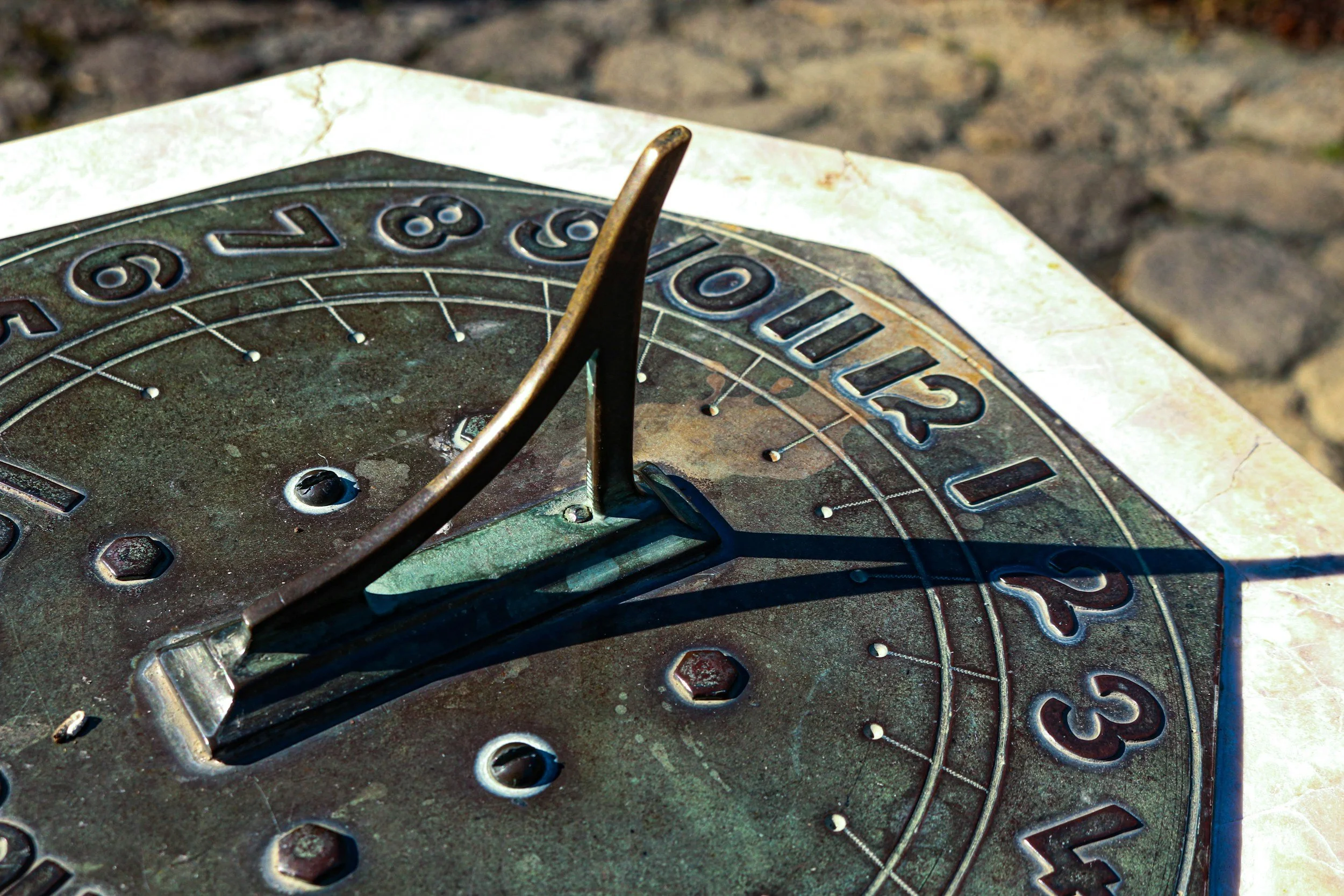
The Evolution of Timekeeping: From Sundials to Smart Clocks
Timekeeping has evolved from ancient sundials and water clocks to pendulum mechanisms, quartz oscillators, atomic standards, and today’s internet-connected smart clocks. This guide explains the major innovations that shaped how humans measure and understand time.