
Welcome to the General Timekeeping Blog!
Explore articles covering the fundamentals, history, and fascinating details of timekeeping. This section features informative posts on how time is measured, the evolution of clocks and calendars, mechanical and scientific timekeeping concepts, and intriguing facts from across horological history. Whether you’re new to the subject or a lifelong enthusiast, these articles provide clear, engaging insights into the world of time.
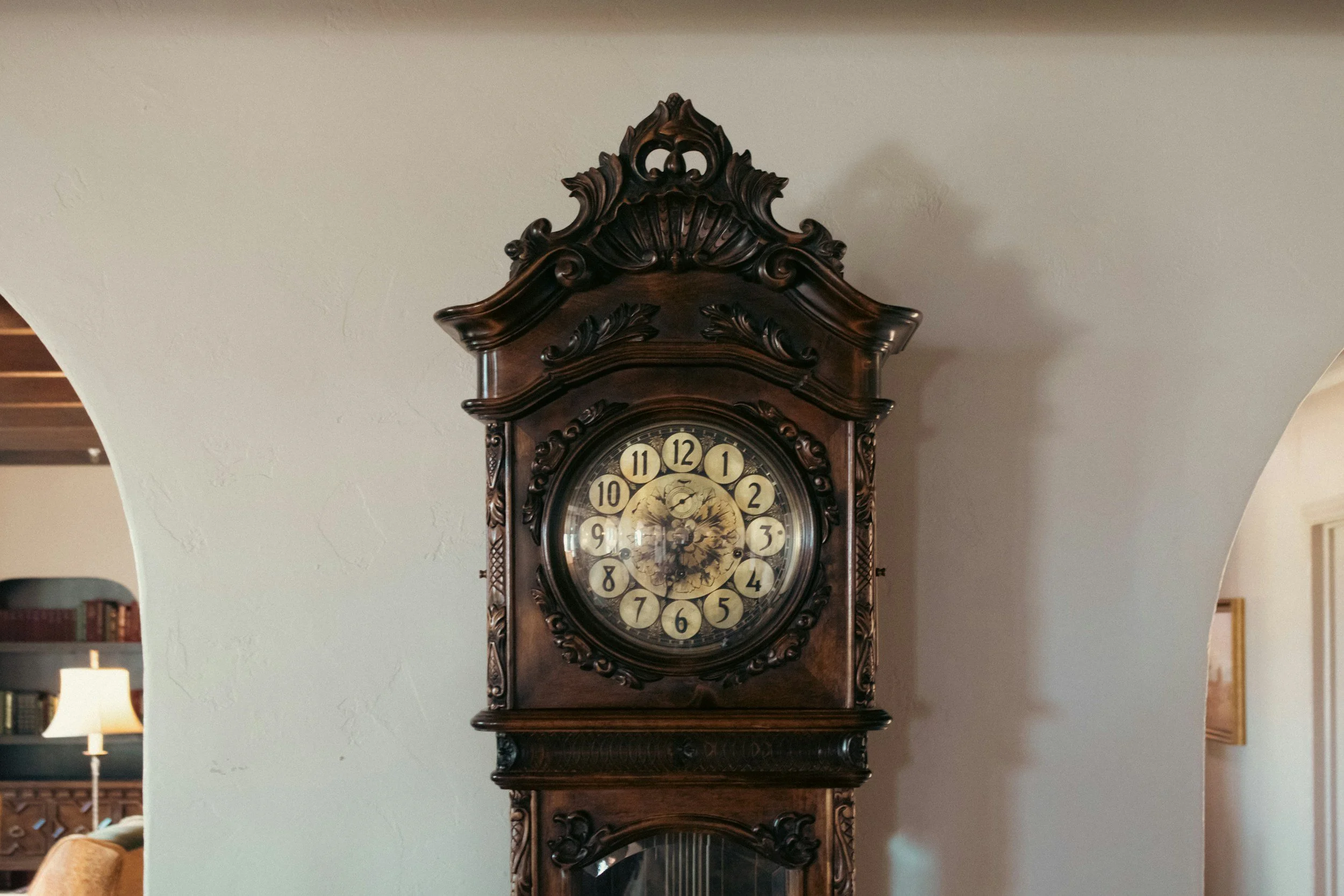
The History of the Grandfather Clock: Origins, Evolution & Lasting Legacy
Grandfather clocks have a rich 300-year history, evolving from early pendulum clocks into the tall, elegant longcase designs we treasure today. This guide explores their origins, decorative development, American innovations, and the story behind the name “grandfather clock,” revealing why these timeless pieces remain beloved heirlooms.
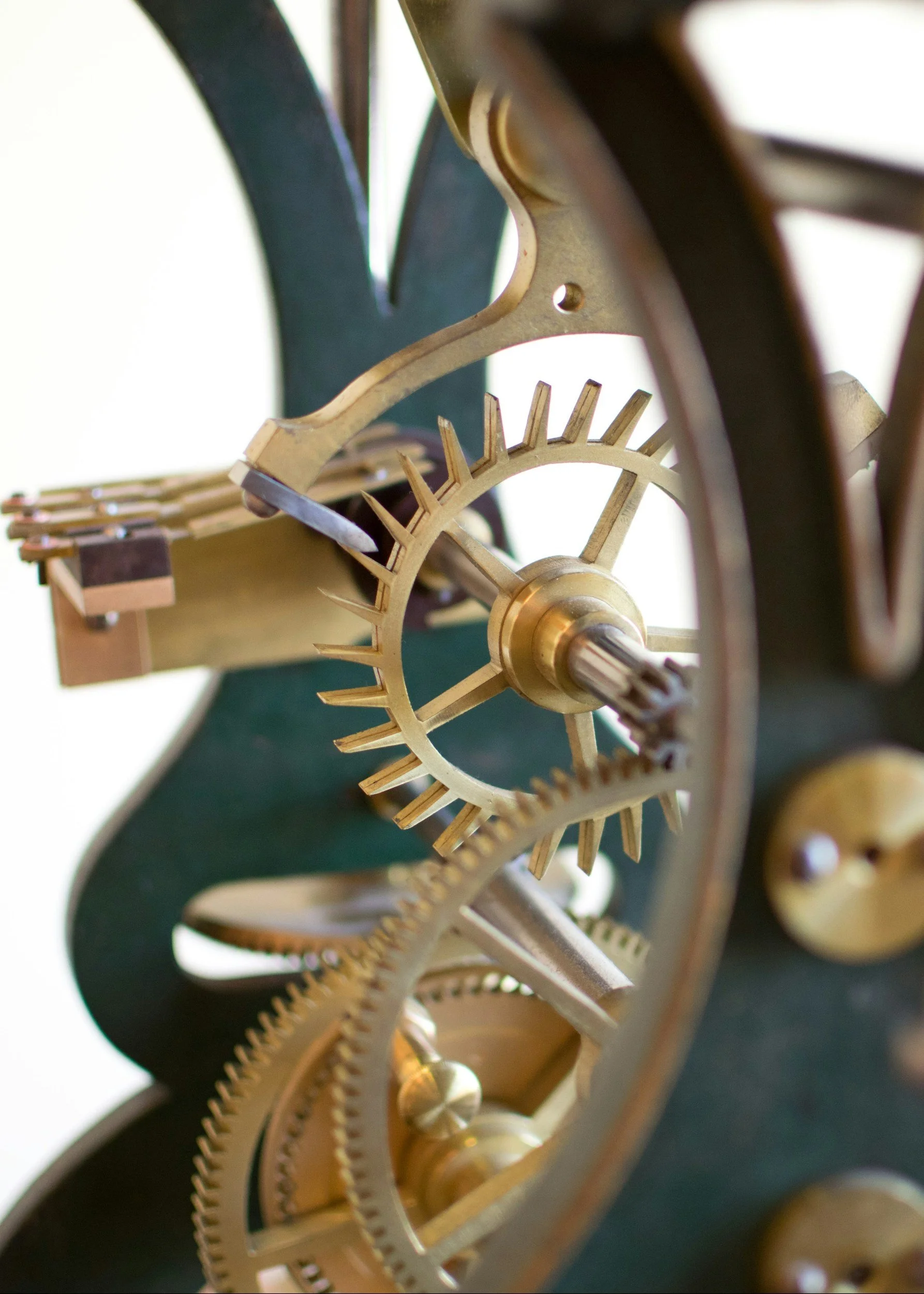
What Causes Power Loss in Mechanical Clocks? Understanding Symptoms, Sources, and Fixes
Power loss is one of the most common issues in mechanical clocks, causing weak pendulum swing, timing drift, chime failures, and random stopping. This guide explains the mechanical causes of power loss — from worn bushings to dried oil — and why professional cleaning and servicing restore reliable operation.
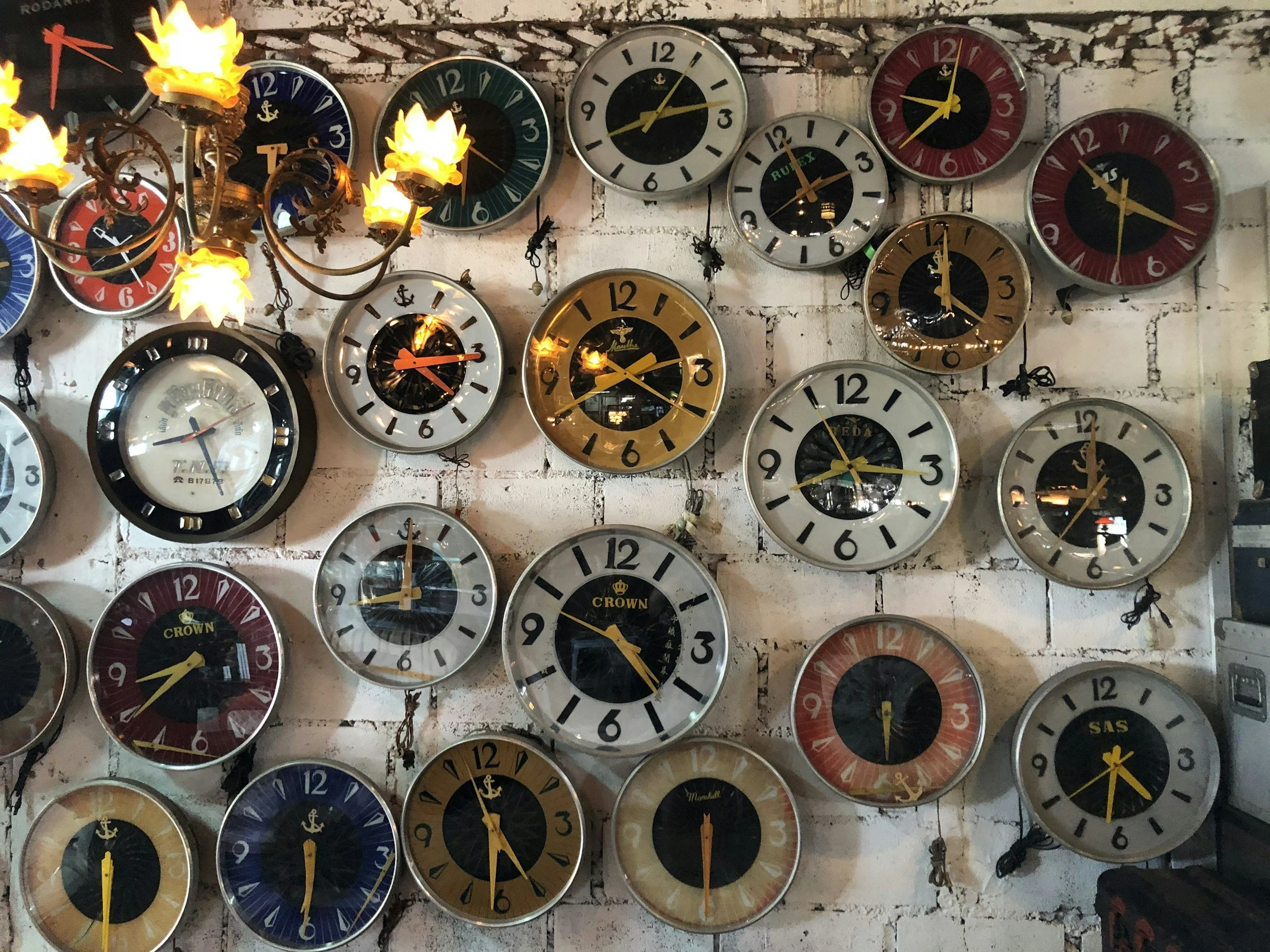
7 Signs Your Clock Needs Professional Service
Mechanical clocks show early warning signs before they stop working completely. Random stopping, weak pendulum swing, misstriking, darkened oil, or persistent timing issues all indicate that the movement needs professional attention. This guide explains the top signs your clock needs service and why early repair prevents costly damage.
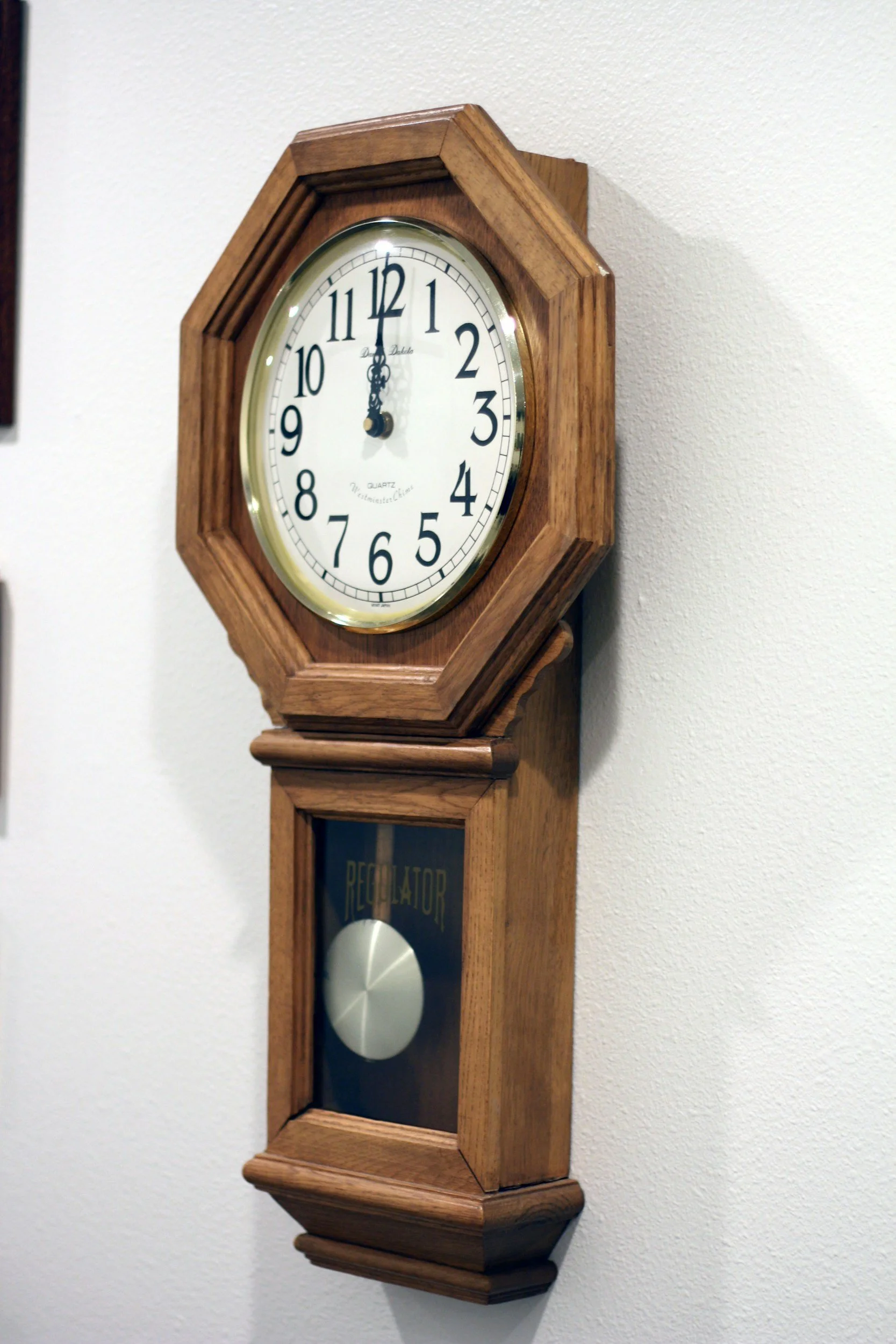
Pendulum Length Adjustment: How It Changes Timekeeping
Pendulum length is the primary factor that determines a mechanical clock’s speed. Even tiny adjustments to the rating nut can shift timekeeping by seconds or minutes per day. This guide explains how pendulum length affects accuracy, how to adjust it safely, and when persistent timing issues mean the clock needs professional service.
Why Clocks Need Cleaning Every 5–10 Years
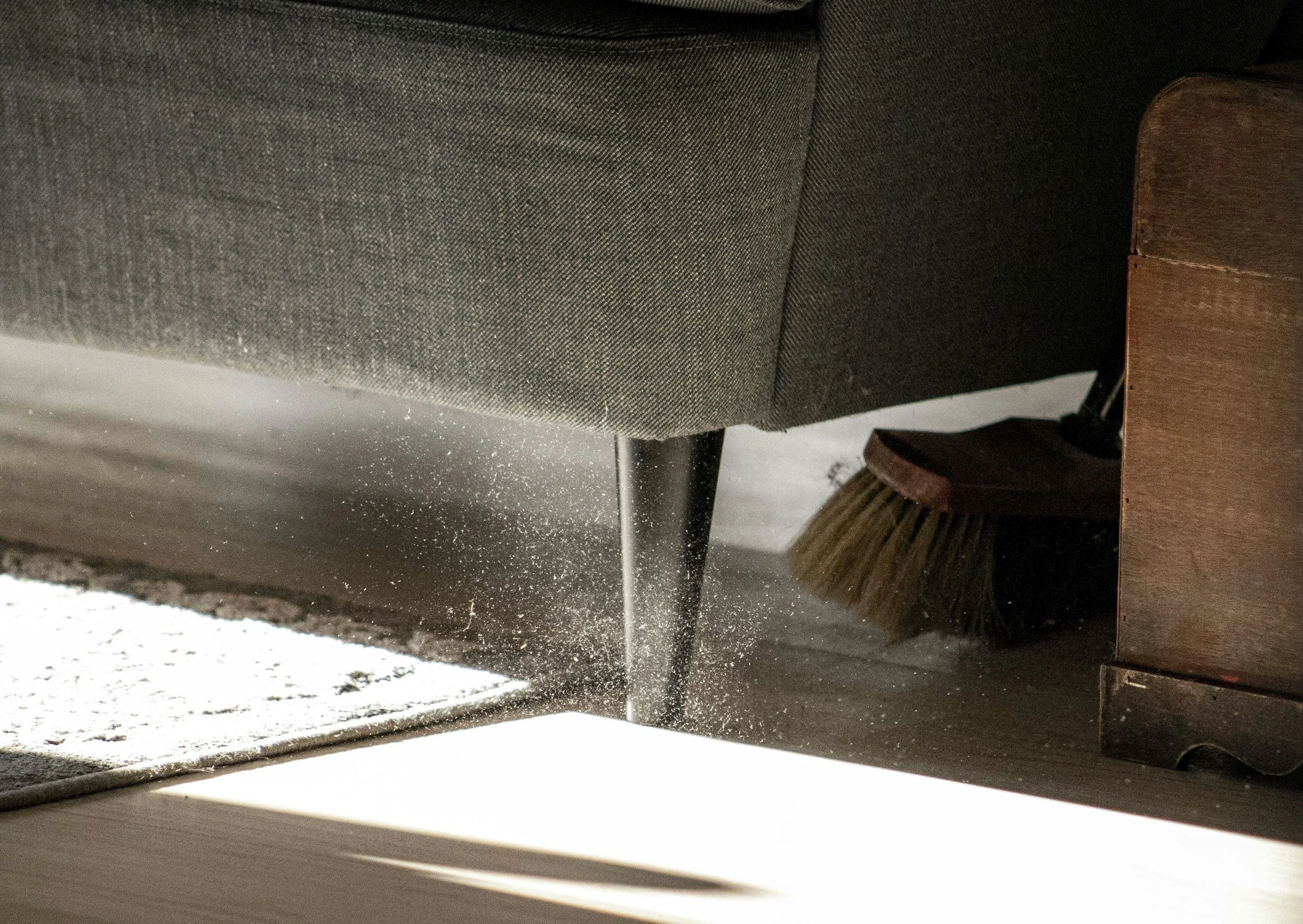
Regular cleaning is essential for any mechanical clock. As oil ages, it thickens and mixes with dust, creating abrasive sludge that accelerates wear and causes stopping, drifting, and mechanical damage. This guide explains why clocks need servicing every 5–10 years, how dirty movements cause problems, and what a full professional overhaul includes.
How Temperature and Humidity Affect Clock Accuracy
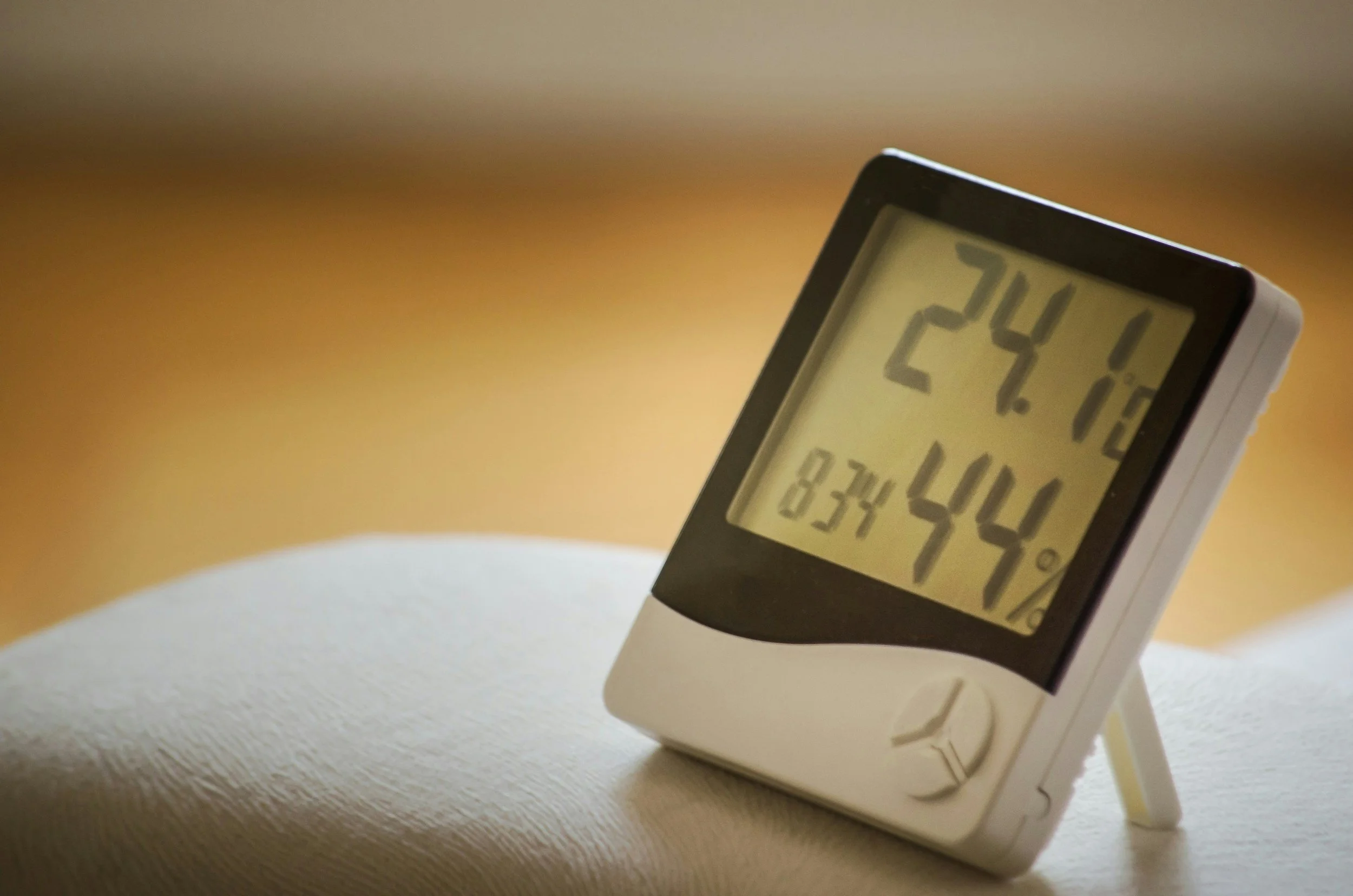
Temperature and humidity changes can cause a clock to run fast, slow, or drift throughout the year. This guide explains how heat, cold, and moisture affect pendulums, mainsprings, lubrication, and wooden cases, and offers practical tips for improving accuracy in shifting environments—especially in humid regions like Calhoun, GA.
Best Oils for Clock Mechanisms (And What to Avoid)
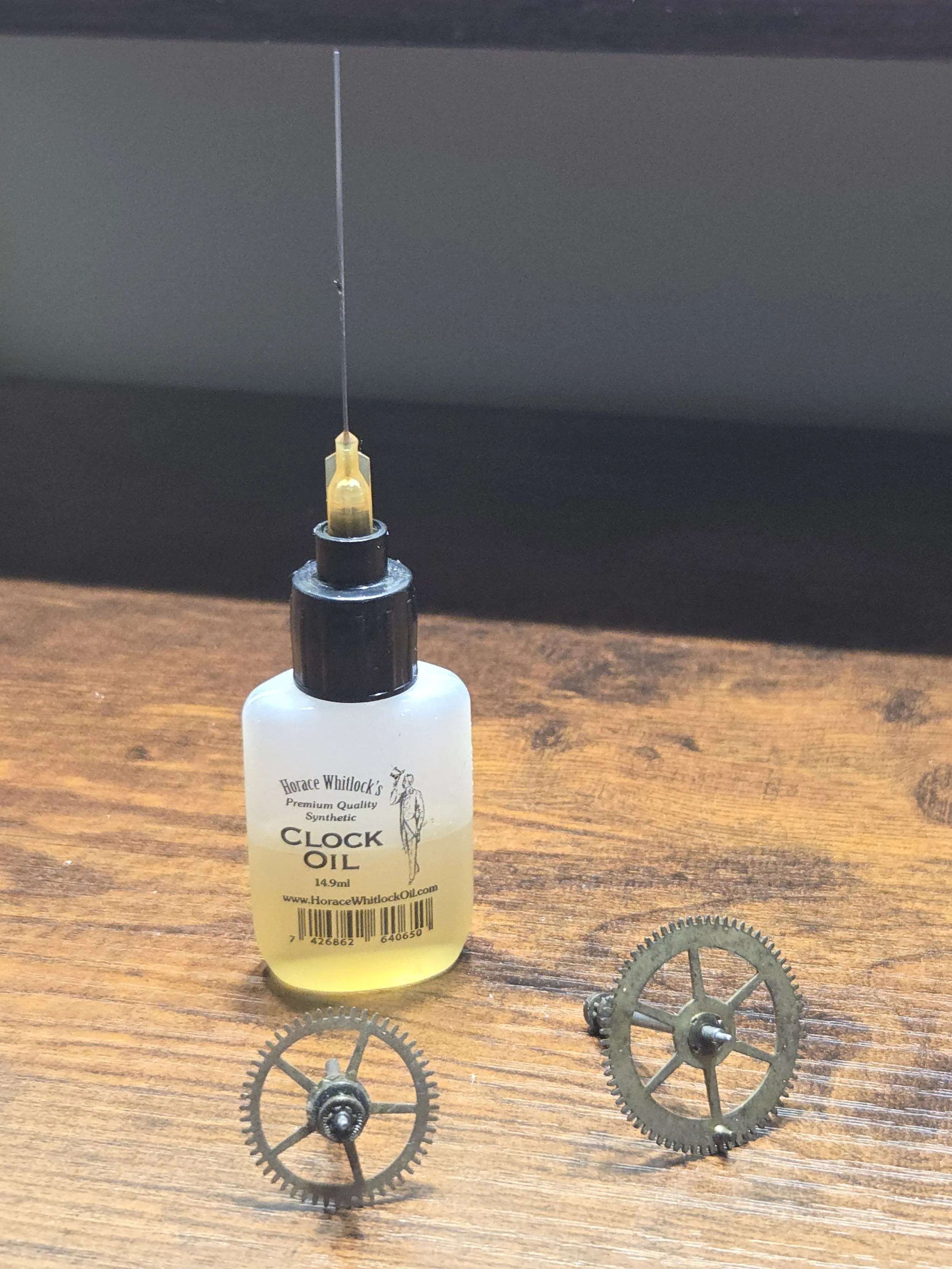
Choosing the right oil is essential for protecting a mechanical clock’s movement. This guide explains which oils are safe, which products can damage a clock, and how to apply lubrication correctly. Learn why synthetic clock oil is the modern standard, why over-oiling causes problems, and when a clock needs full cleaning instead of just oiling.
How Often Should You Oil a Mechanical Clock?
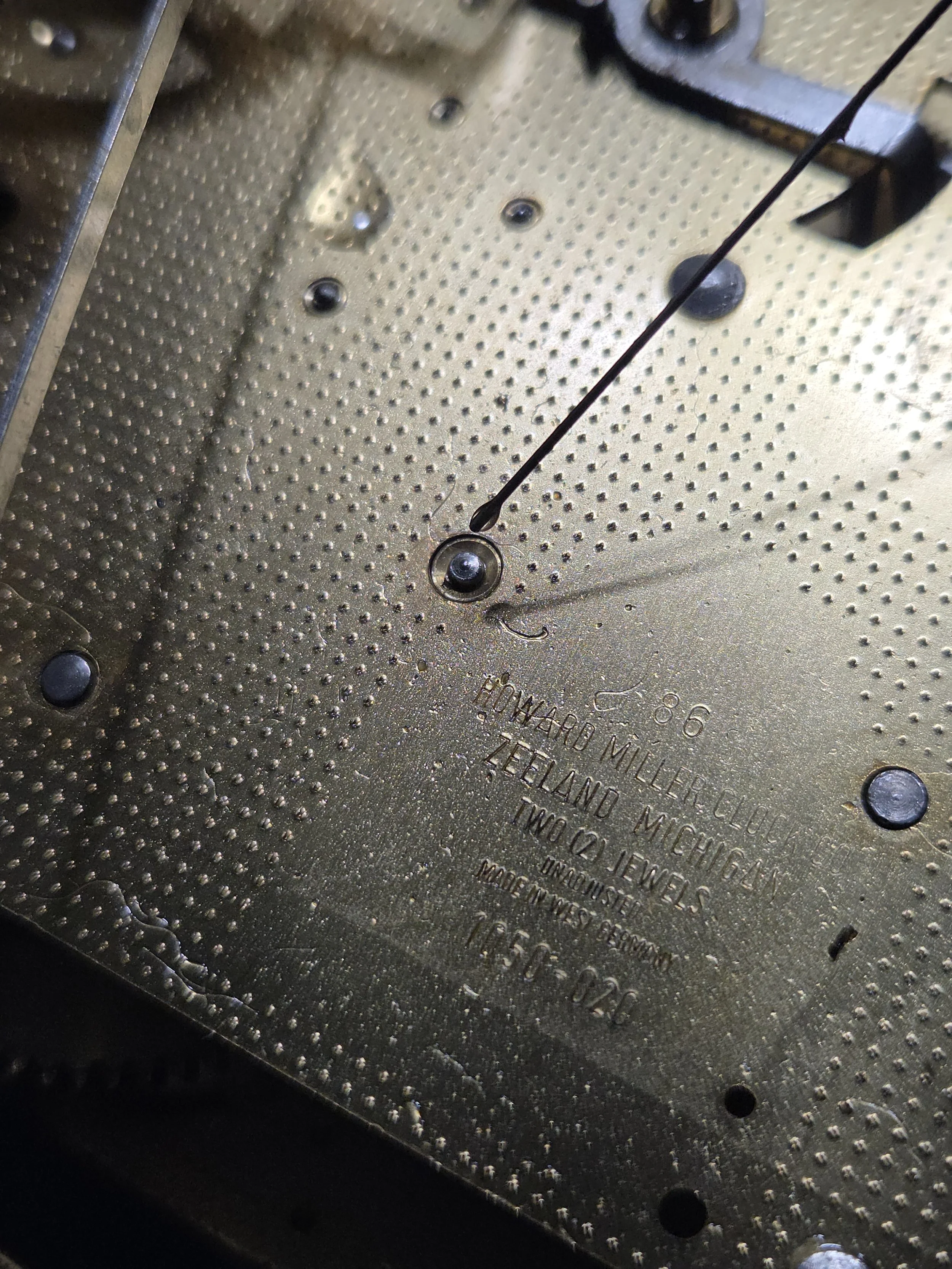
Oiling is essential for keeping a mechanical clock running smoothly, but most clocks need lubrication far less often than owners think. Over-oiling can cause damage, while neglect leads to wear, stopping, and poor timekeeping. This guide explains the correct oiling interval, warning signs to watch for, and why professional cleaning is the safest way to maintain your clock.
When to Call a Professional for Clock Repair: A Complete Guide for Mechanical & Quartz Clocks
Some clock issues require expert attention. This guide explains the signs of deeper mechanical wear—including stopping problems, weak pendulum swing, chime errors, noisy movements, and old lubrication—and outlines what professional servicing involves. Know when DIY fixes aren’t enough and your clock needs expert care.
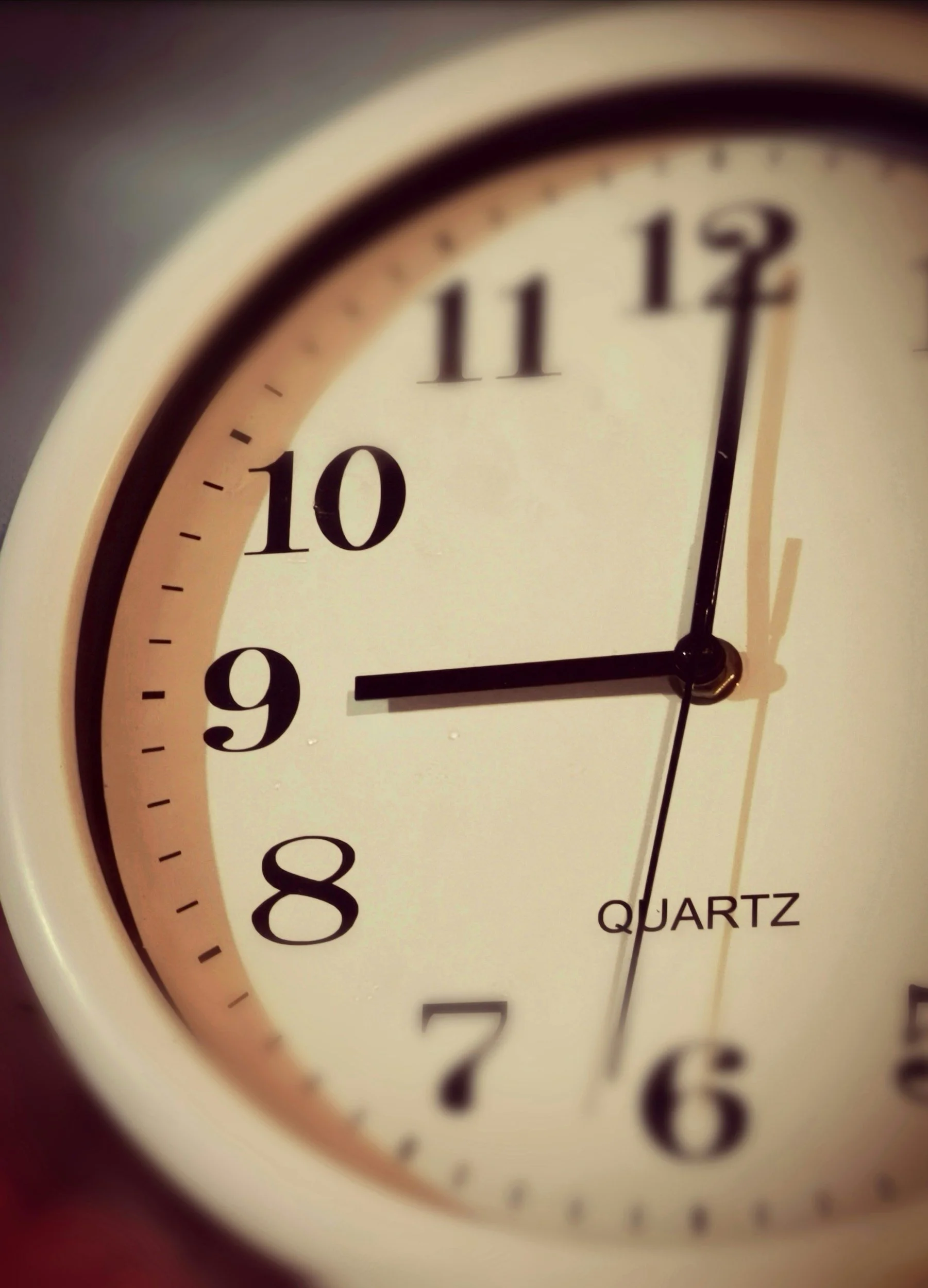
Quartz Clock Losing Time? Troubleshooting Guide
Quartz clocks are normally very accurate, so when one starts losing time, the cause is often a weak battery, corroded contacts, dust inside the movement, or a failing stepper motor. This expanded troubleshooting guide helps you identify the problem and decide whether a simple fix or a movement replacement is required.
Clock Won’t Tick but Is Fully Wound? Common Causes Explained
A fully wound clock that won’t tick usually suffers from beat problems, leveling issues, worn suspension springs, or internal friction. This guide helps you pinpoint the cause and rule out simple fixes before deciding if your clock needs a full cleaning or repair from a trained technician.
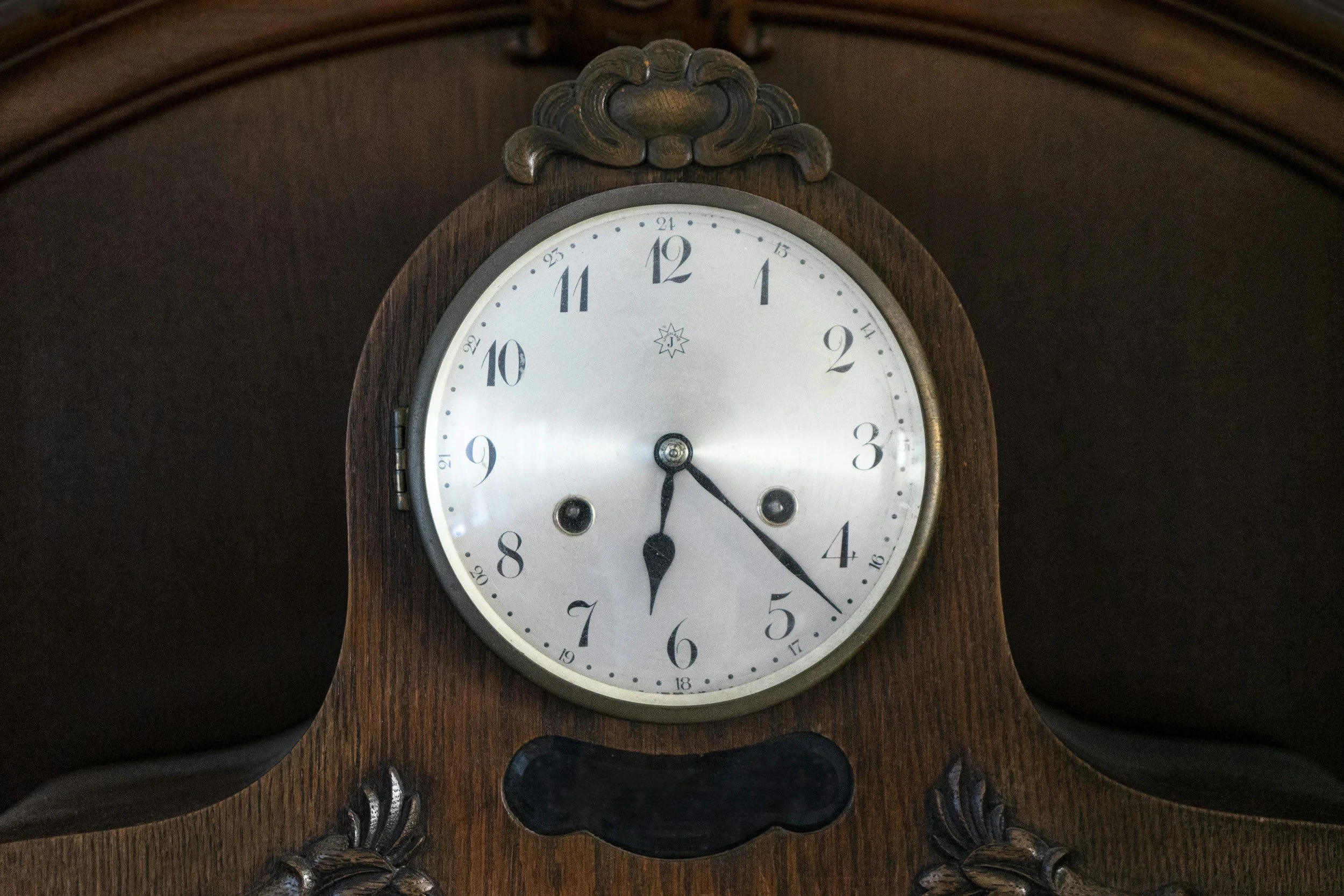
Why Your Clock Runs Fast (And How to Correct It)
A clock that gains time may need pendulum regulation, balance spring adjustment, or correction of leveling and beat issues. This expanded guide explains the causes of fast timekeeping in both pendulum and balance-wheel clocks and shows you how to safely slow the rate—or determine when professional service is needed.
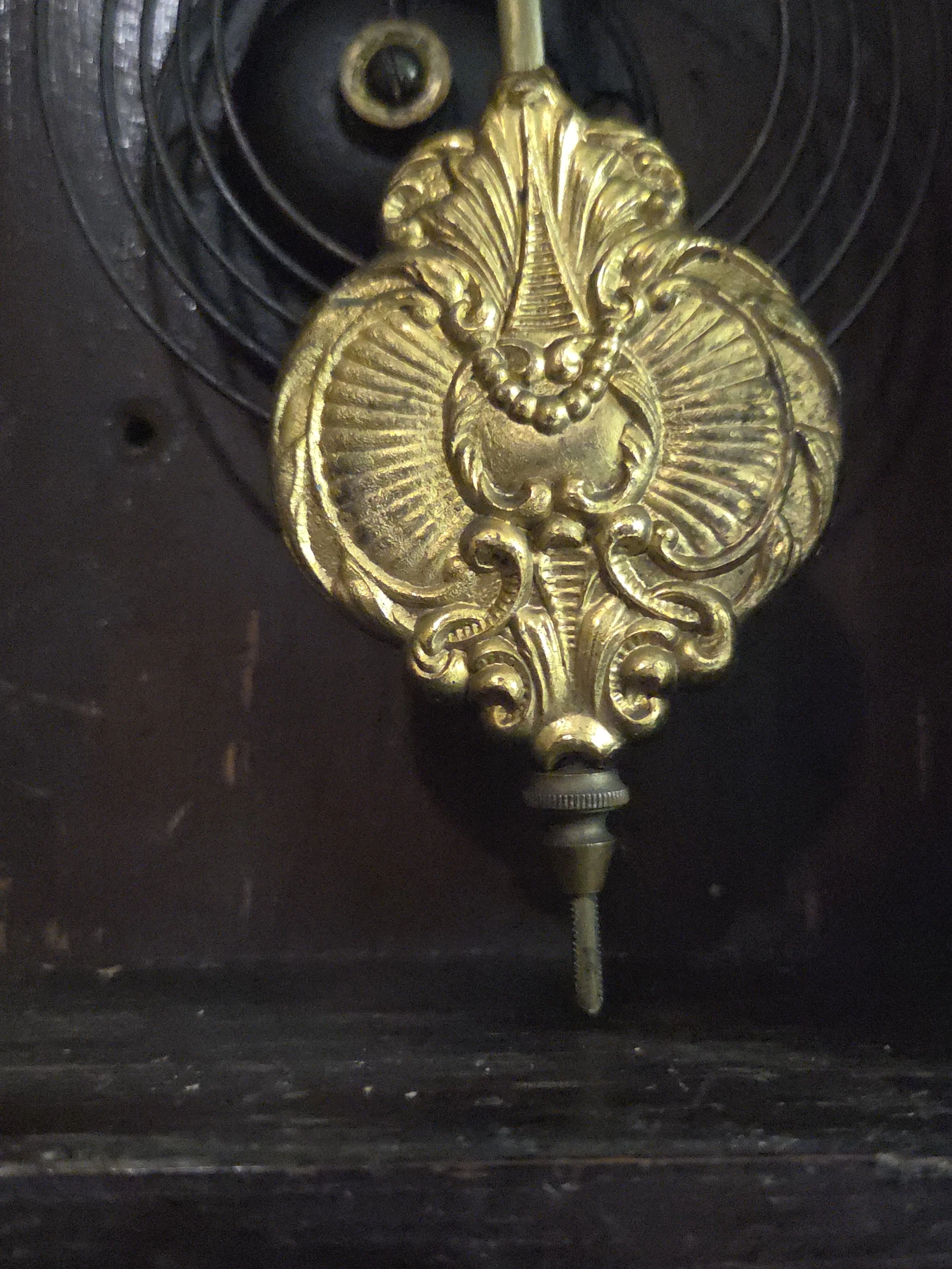
How to Set the Beat on a Pendulum Clock (Step-by-Step Guide)
An uneven “tick-tock” can make a clock run poorly or stop entirely. Learn how to identify beat problems and adjust your pendulum clock for an even rhythm, stronger swing, and reliable timekeeping. This step-by-step guide makes one of the most important DIY clock adjustments simple and approachable.
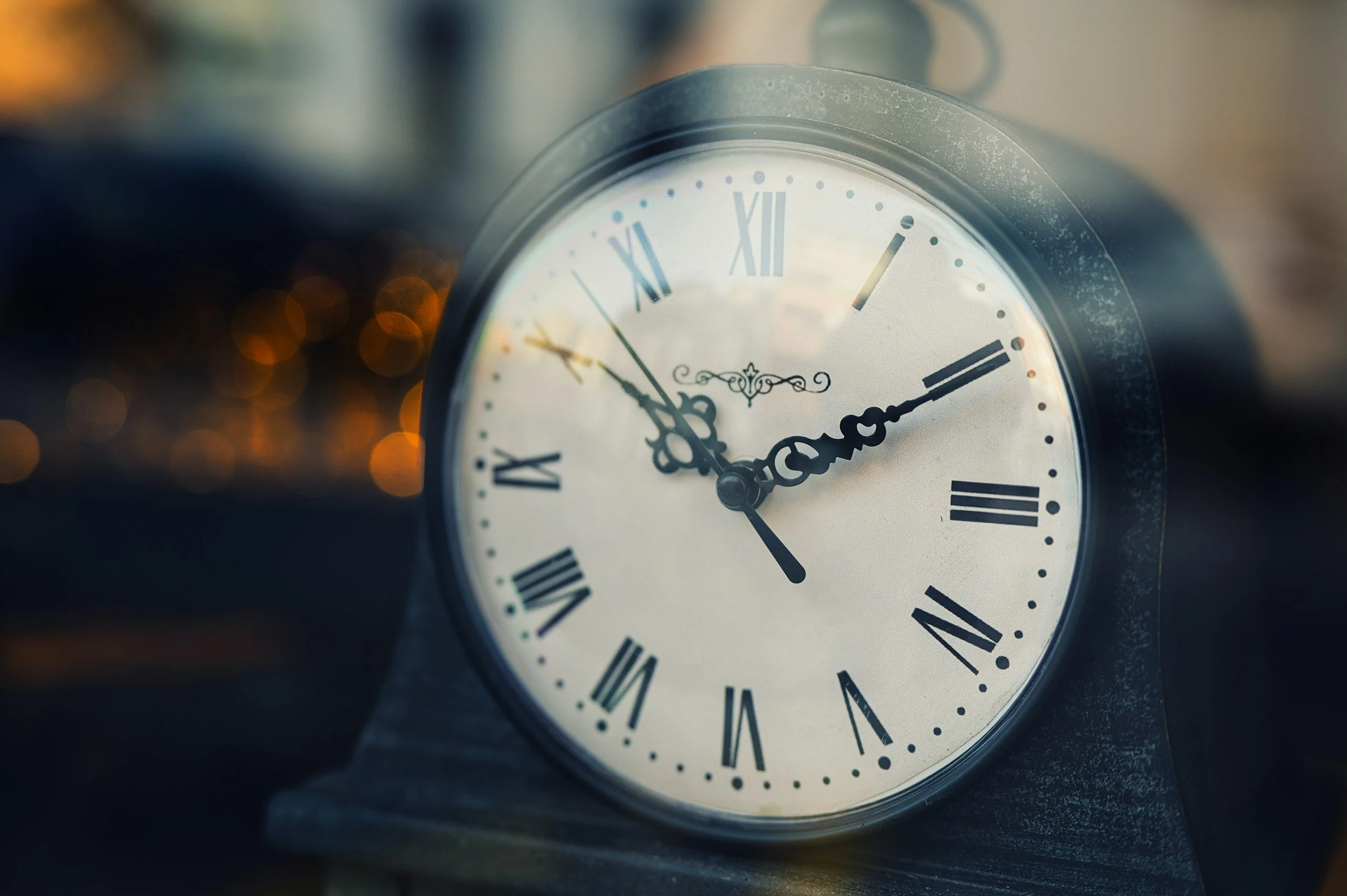
How to Fix a Mechanical Clock That Stops Randomly
If your mechanical clock stops without warning, the cause is often beat misalignment, leveling issues, or friction inside the movement. This guide walks you through diagnosing the source of intermittent stopping and explains when deeper mechanical wear means it's time for a professional cleaning or repair.
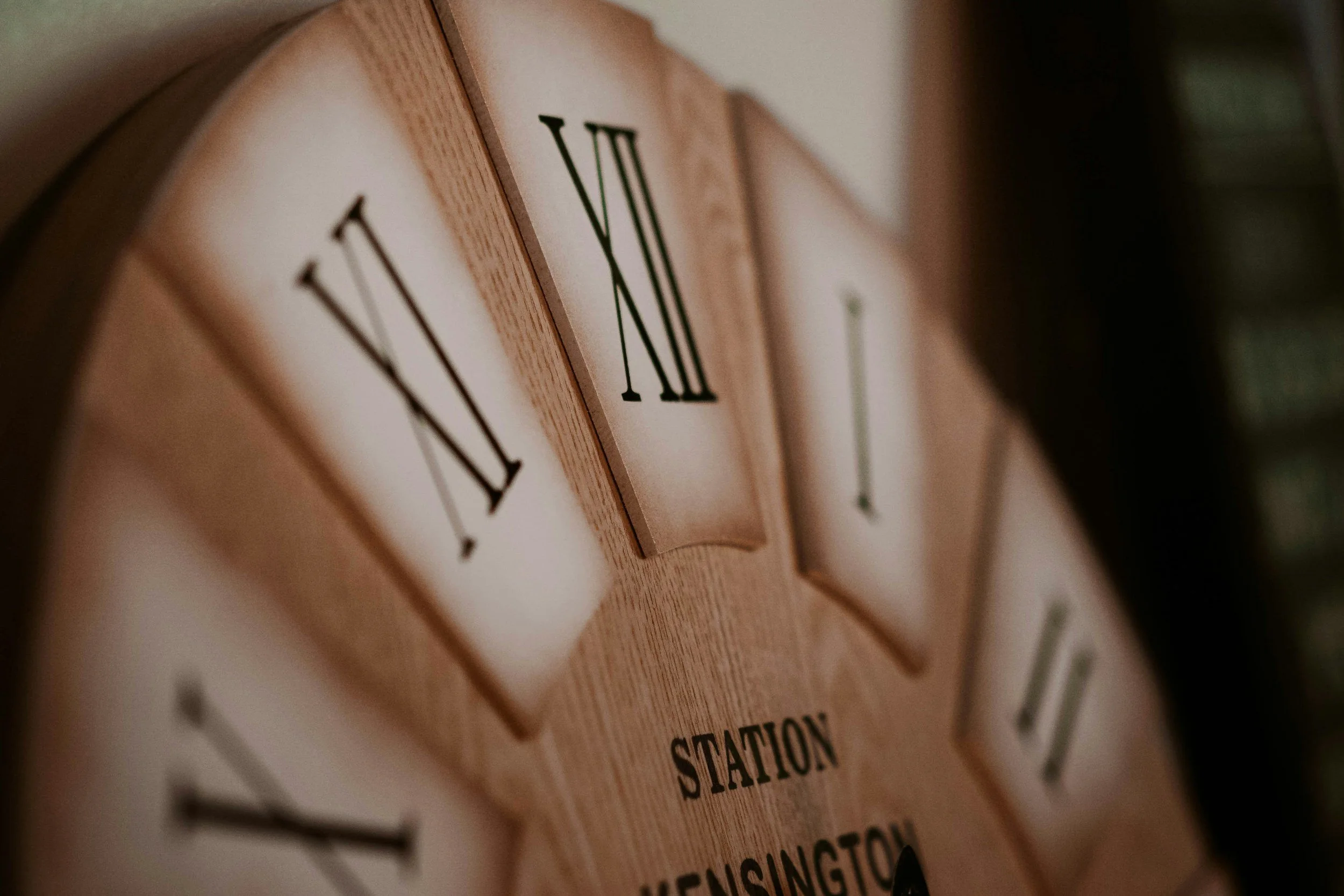
The Complete Guide to Mechanical Clock Maintenance
Mechanical clocks require regular care to run accurately for generations. This guide explains essential maintenance practices including cleaning, oiling, beat adjustment, and leveling, along with the signs of wear that indicate it's time for professional servicing. Keep your mechanical clock running smoothly with proper long-term care.